
Understanding the psychological triggers that influence casino gambling behavior
The Allure of Instant Gratification
Instant gratification plays a significant role in casino gambling behavior. Players are often drawn to the immediate rewards that come with winning, which can trigger a rush of adrenaline and excitement. This feeling is comparable to the effects of addictive substances, creating a cycle that encourages repeated play. The anticipation of a win is a powerful motivator, often overshadowing the potential financial risks involved. In this vibrant environment, you can explore various options like https://cowboyspin.live/ for an engaging experience.

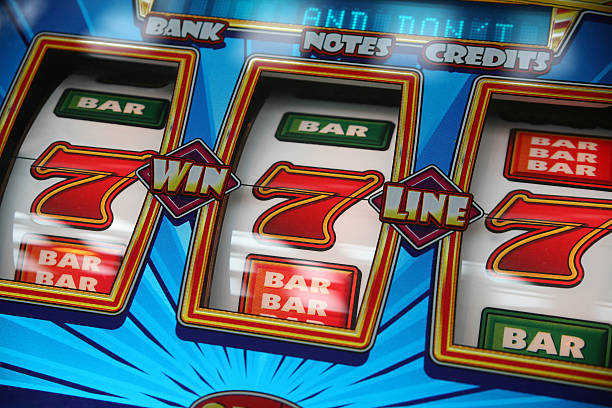
The design of casino games further amplifies this allure. Bright colors, engaging sounds, and enticing animations create an immersive experience that keeps players engaged and eager for more. This sensory overload stimulates the brain’s reward system, reinforcing the pleasure associated with winning. As a result, players may find it challenging to resist the urge to gamble, even when they are aware of their losing streaks.
Moreover, the concept of “near misses” can enhance this desire for instant rewards. When players come close to winning, they often feel an increased motivation to continue playing, believing that a win is just around the corner. This psychological trigger can lead to prolonged gambling sessions, further increasing the likelihood of addiction.
The Role of Social Influence
Social dynamics significantly affect gambling behavior, as many individuals engage in casino activities with friends or family. The camaraderie and shared experience can heighten the enjoyment of gambling, leading individuals to partake in riskier bets than they would alone. Social proof becomes a powerful motivator; seeing others win can ignite feelings of competition and the desire to replicate that success.
Furthermore, the concept of “FOMO” or Fear of Missing Out often drives individuals to gamble. When people observe their peers celebrating wins at a casino, they may feel compelled to join in, even if it contradicts their better judgment. This phenomenon can lead to impulsive decisions and unhealthy gambling habits, particularly in environments where social interaction is encouraged.
Lastly, social media plays a growing role in shaping gambling behavior. Platforms allow individuals to share their gambling experiences, showcasing wins and lavish lifestyles. This exposure can create unrealistic expectations and pressures that compel people to gamble more frequently, influenced by the desire to project an image of success and enjoyment to their followers.
The Illusion of Control
The illusion of control is a cognitive bias that many gamblers experience, leading them to believe they can influence the outcome of games that are inherently random. This belief can be particularly strong in games like blackjack, where skill can contribute to winning, but luck remains a critical factor. As players attribute wins to their strategies rather than chance, they may continue to engage in gambling despite consistent losses.
This psychological trigger feeds into the gambler’s fallacy, where individuals think that past events influence future outcomes. For instance, a player might believe that a slot machine is “due” for a win after a series of losses, prompting them to invest more money in hopes of breaking even. Such misconceptions can lead to significant financial losses, as players ignore the statistical realities of the games.
Additionally, the sense of mastery players feel in their decision-making can lead to overconfidence. This overconfidence can result in larger bets and riskier choices, reinforcing a cycle of gambling that can be difficult to escape. Recognizing this illusion is crucial for developing a responsible gambling mindset and mitigating the risks associated with gambling behavior.
The Impact of Promotional Strategies
Casino operators leverage promotional strategies that exploit psychological triggers to enhance gambling behavior. Bonuses and rewards programs are designed to create an illusion of value, enticing players to gamble more than they initially planned. These promotions often create a sense of urgency, making players feel as if they must take advantage of limited-time offers, which can lead to impulsive betting.
Moreover, the use of loyalty programs fosters a sense of attachment to a particular casino, leading players to gamble more to achieve rewards. This attachment can make it difficult for players to walk away, as they may feel they have invested too much time and money into a relationship with the casino. The psychological commitment encourages continued play, even in the face of losses.
Additionally, promotional materials often highlight big wins, creating an aspirational narrative around gambling. When players see these success stories, they may believe they can replicate similar results, further driving their desire to gamble. By understanding how these promotional strategies influence behavior, players can make more informed decisions about their gambling habits and the associated risks.
Responsible Gaming at CowboySpin Casino
CowboySpin Casino recognizes the importance of responsible gaming and provides resources to help players manage their gambling behavior effectively. The platform is committed to fostering a safe and engaging environment, offering tools that allow players to set limits on their deposits, wagers, and playing time. This proactive approach helps mitigate the potential risks associated with gambling.
The casino also emphasizes the importance of player education, providing resources about the psychological triggers and risks of gambling. By educating players about the behavioral patterns that can lead to addiction, CowboySpin encourages them to gamble responsibly. The casino’s commitment to transparency and player protection sets it apart in the online gaming industry.
Furthermore, CowboySpin actively promotes support for players who may struggle with gambling issues. The platform provides access to external organizations that specialize in gambling addiction support, encouraging individuals to seek help if needed. This holistic approach to gaming helps ensure that all players can enjoy their experiences while minimizing the risks associated with gambling behavior.